Burnout is mostly a work design problem
SOC analyst burnout is often described as a personal problem, to be solved with resilience, self-care and time off. Those help. But most burnout in security operations comes from how the work is designed: the same first look repeated all day, nights that never seem to end, alerts that are almost always noise, and blame when the one that mattered was missed. Team leads can change much of that. Tools can change some of it. Neither can change all of it.
This post is written for the person who runs a SOC or a security team and wants to keep good people. It makes no claim about how common burnout is. It describes what tends to cause it, how it shows, and what tends to help.
It matters for more than kindness. A tired analyst misses things. The alert that turns out to be the start of a real intrusion often looks, at first glance, exactly like the hundred harmless ones before it, and it is noticed only by someone who still has the attention to look twice. Keeping people well is part of keeping detection working.
What causes it
The causes tend to stack. Any one of them is manageable for a while; three or four together wear people down, and the best analysts often feel it first because they care most about getting it right.
- Repetitive first looks. Most of the day goes on opening an alert, pulling the same context and closing it as harmless. Skilled people doing work that feels unskilled lose interest, and then lose attention.
- Nights and weekends. Rotating shifts disturb sleep, family life and health. A night shift with little to do and a lot of responsibility is especially wearing.
- Noise. A queue full of alerts that are rarely real teaches people that alerts do not matter, then asks them to treat each one as if it might.
- Blame. When a missed alert leads to a review that names an analyst, everyone learns that the safest move is to escalate everything, which makes the noise worse for the next person.
- No authority. Analysts who find something real but cannot act, and cannot reach anyone who can, carry the worry home.
- No growth. A year of triage with no hunting, no rule writing and no training feels like standing still.
Signs to watch for
Burnout rarely announces itself. Leads usually see it in the work before they hear about it in words. People in security are often proud of coping, and night workers in particular may not mention that they are struggling until they hand in their notice.
None of these proves anything on its own, and each can have other causes. Treat them as a reason to talk, privately and without judgement, not as evidence in a performance review. The aim of the conversation is to find out which parts of the work are wearing the person down, not to tell them to cope better.
- Closing alerts faster with thinner notes, or the opposite: escalating almost everything.
- Cynicism about the tools, the rules or the business, often voiced as jokes.
- Swapping out of nights, more sick days, or never taking leave at all.
- Withdrawing from reviews, training and team discussions.
- Mistakes in steps the person has done correctly hundreds of times.
What leads can change
Most of the levers are in the team lead’s hands, and none of them needs a budget approval to start.
A useful question in one-to-ones: which part of your week would you happily never do again? The answers form a list of work to tune away, automate, or share out more fairly. Acting on even one of them shows people the question was meant.
- Rotation. Move people between triage, investigation, hunting and engineering work by the week or fortnight, so nobody spends a whole quarter on first looks.
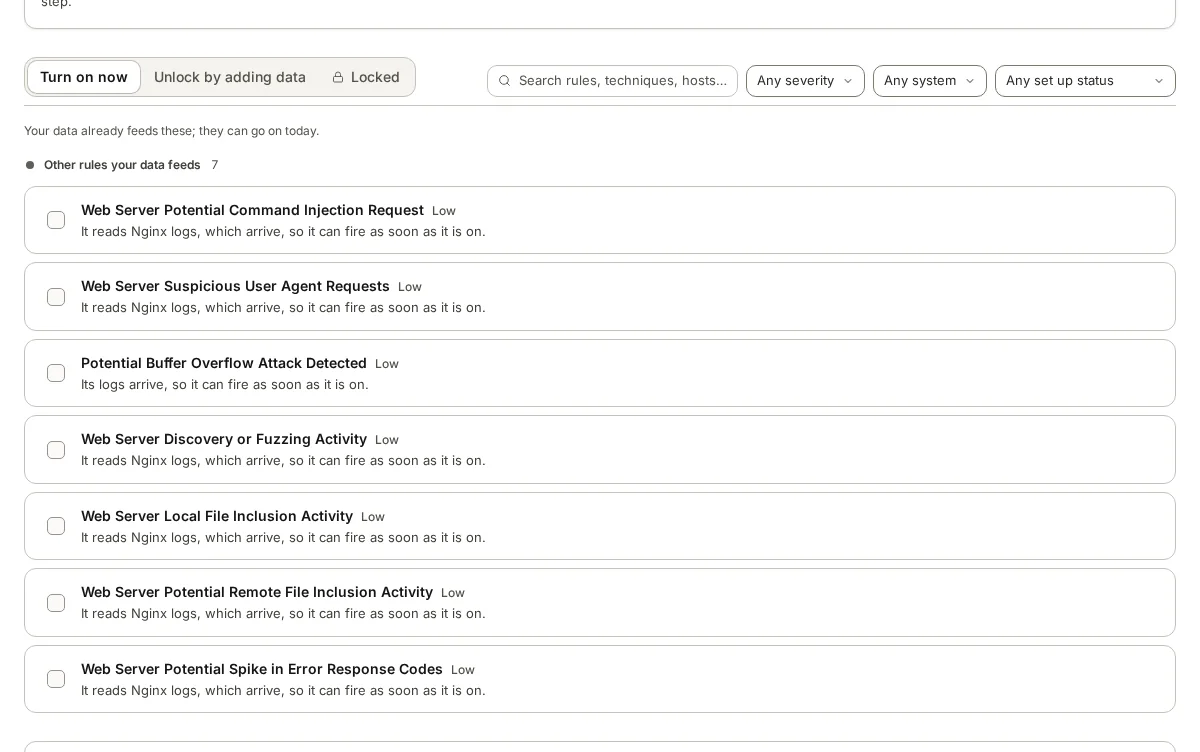
- Tuning as a standing task. Give someone time each week to tune the noisiest rules with the business, and show the team what was tuned. Watching noise go down is good for morale.
- Protected time. Block hours each week for hunting, learning and writing rules, and defend them when the queue is busy. If they are cancelled whenever it gets busy, they do not exist.
- Clear authority. Write down what an analyst may do alone and who they call for the rest, so nobody is left holding a live incident with no one to hand it to.
- Blameless reviews. Review missed detections by asking what in the process let it through: the rule, the runbook, the context, the workload. Name process gaps, not people.
- Fair nights. Keep night rotas predictable, give real recovery time after them, and make sure the night shift has a lead who answers the phone.
What tools can and cannot fix
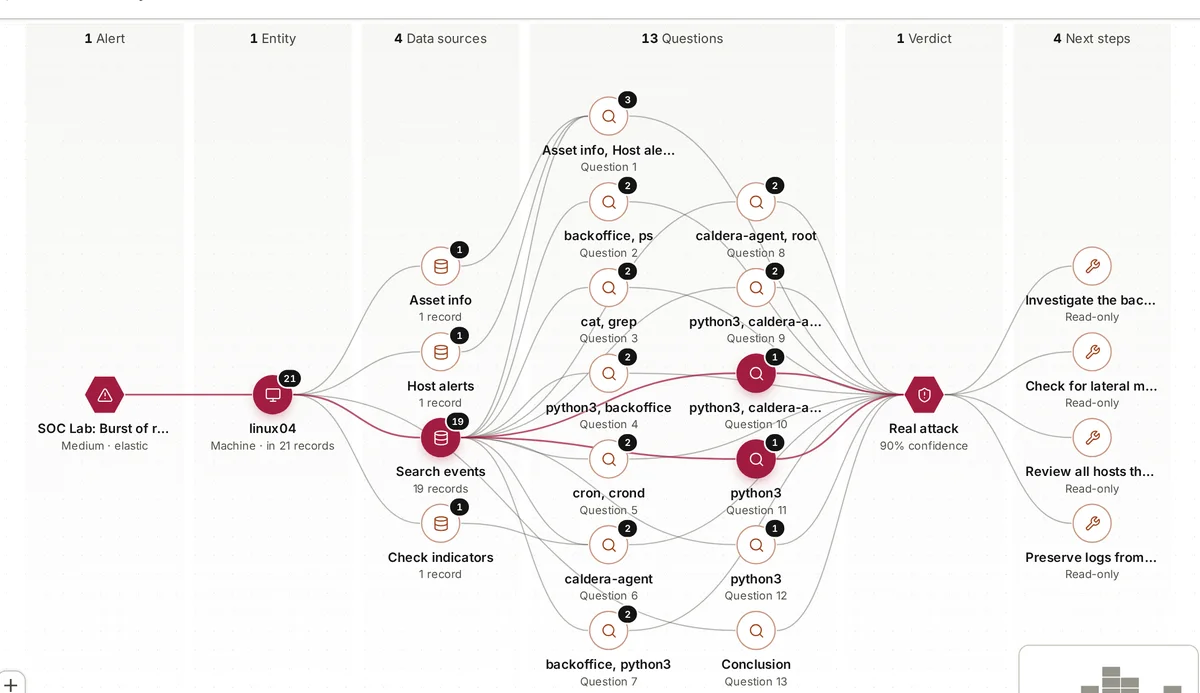
Tools can take away a large share of the repetitive first look. Collecting the process chain, checking an IP address against threat intelligence, finding other alerts on the same host: these are mechanical, and software does them without getting bored at four in the morning. Tools can also join related alerts into one case, so a single attack is one piece of work instead of a dozen separate tickets.
Tools cannot fix a blame culture, a rota that never lets people rest, or a business that will not tell the SOC what is normal. They cannot give an analyst authority they were never granted. A team that adds an AI triage tool without changing those things may find that people burn out a little more slowly, not that they stop burning out.
There is also a risk in the other direction. If a tool takes away the easy alerts, what is left is the hard ones, all day. Plan for that from the start: the time a tool frees should go partly to hunting, learning and rest, not only to more alerts of the difficult kind.

Where to start this month
If you can change only a few things, these tend to matter most. None of them is expensive, and each one is visible to the team, which matters as much as the change itself.
Tell the team what you are changing and why, and tell them when something does not work. People forgive a change that fails far more readily than a question that was asked and then ignored. Then ask again in a month. Burnout builds slowly, and recovery is slow too. A lead who keeps asking, and keeps acting on the answers, does more good than any single change.
- Find the five noisiest rules and tune them with the business owners.
- Put two hours a week of protected hunting or learning time in each analyst’s calendar.
- Write the authority table: who may do what, and who to call when.
- Run your next missed-detection review without names.
- Ask each analyst what work they would drop, and act on one answer.
Where armor360 fits
armor360 takes the first look at alerts from Elastic Security, Splunk, Microsoft Sentinel, CrowdStrike Falcon or Microsoft Defender, and hands a person a verdict with the evidence behind it. Related alerts are joined into one campaign. People review the verdicts and decide what to do; armor360 takes no response actions.
It does not fix rotas, culture or authority; those stay with you. Its threat hunting library and rule drafting are there so some of the time it frees can go to that more varied work.